OpenAI Just Bought the Microphone. Be Afraid, Again [036]

Ron Boire
Blog #036 | April 7, 2026 | Lead with Purpose, Tech Forward
What Happened
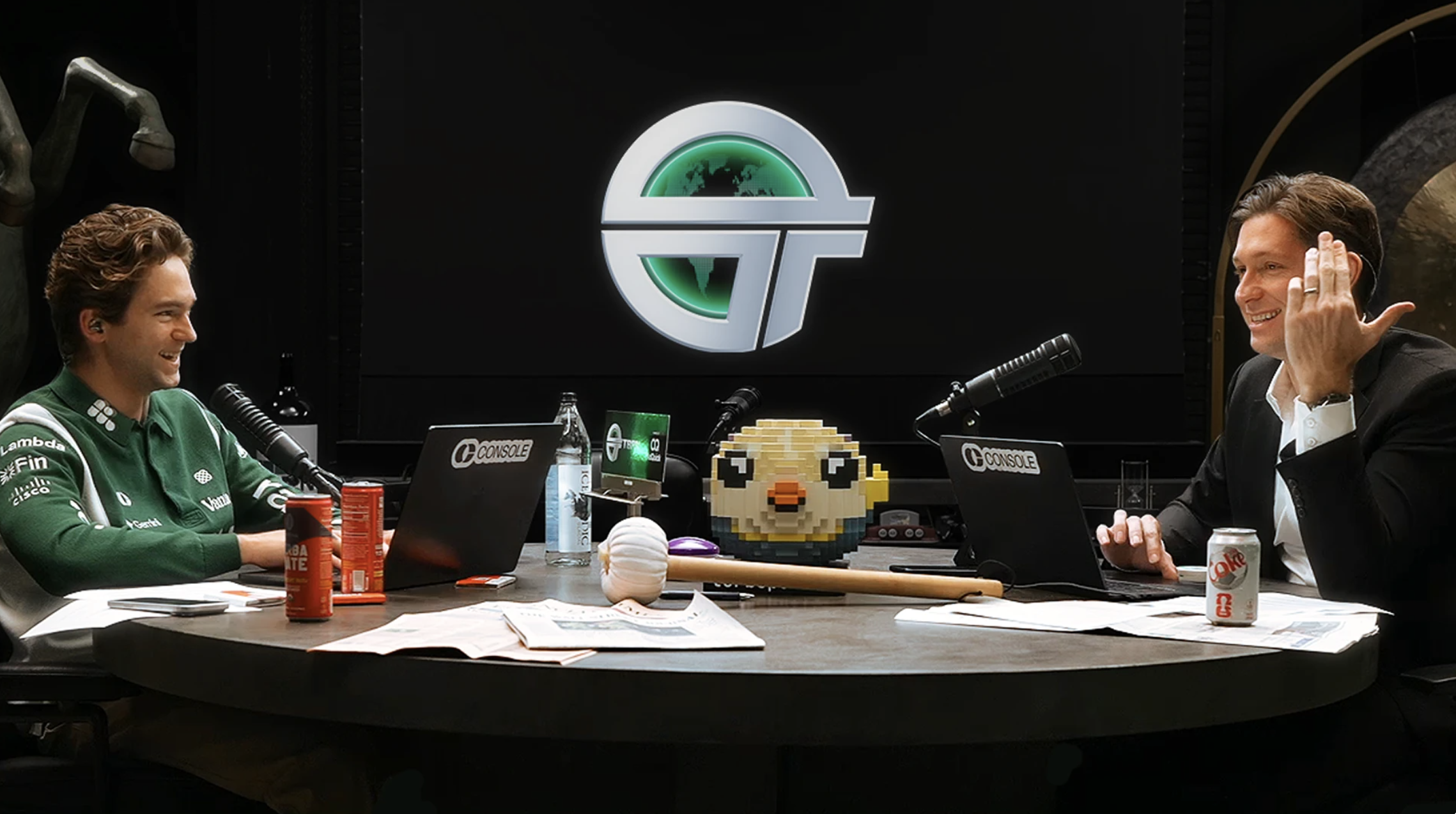
OpenAI bought TBPN last week (Technology Business Programming Network), a daily three-hour live show that is kinda like SportsCenter for the tech startup world. Zuckerberg, Nadella, and Altman have all been on. They get about 70,000 views per episode.
That's not the story.
The story is that TBPN is part of OpenAI's strategy organization, under Chris Lehane. Lehane is OpenAI's chief global affairs officer (that means political lobbying and corporate communications, read: "spin.")
The WSJ says Lehane is the architect of their political messaging, the person whose job is to manage what people believe about AI and about OpenAI.
OpenAI did not buy a media company. They bought a microphone so that they can tell whatever story they want.
Fidji Simo, who runs OpenAI's product and business functions, said that at a company like OpenAI, the standard communications playbook just doesn't apply.
I guess not!
Fidji and Altman have been rethinking how OpenAI communicates, and this acquisition is the result.
When your communications strategy requires buying the critics, you just told us how your strategy is working.
This Is an Old Play
This has been going on for over a hundred years.
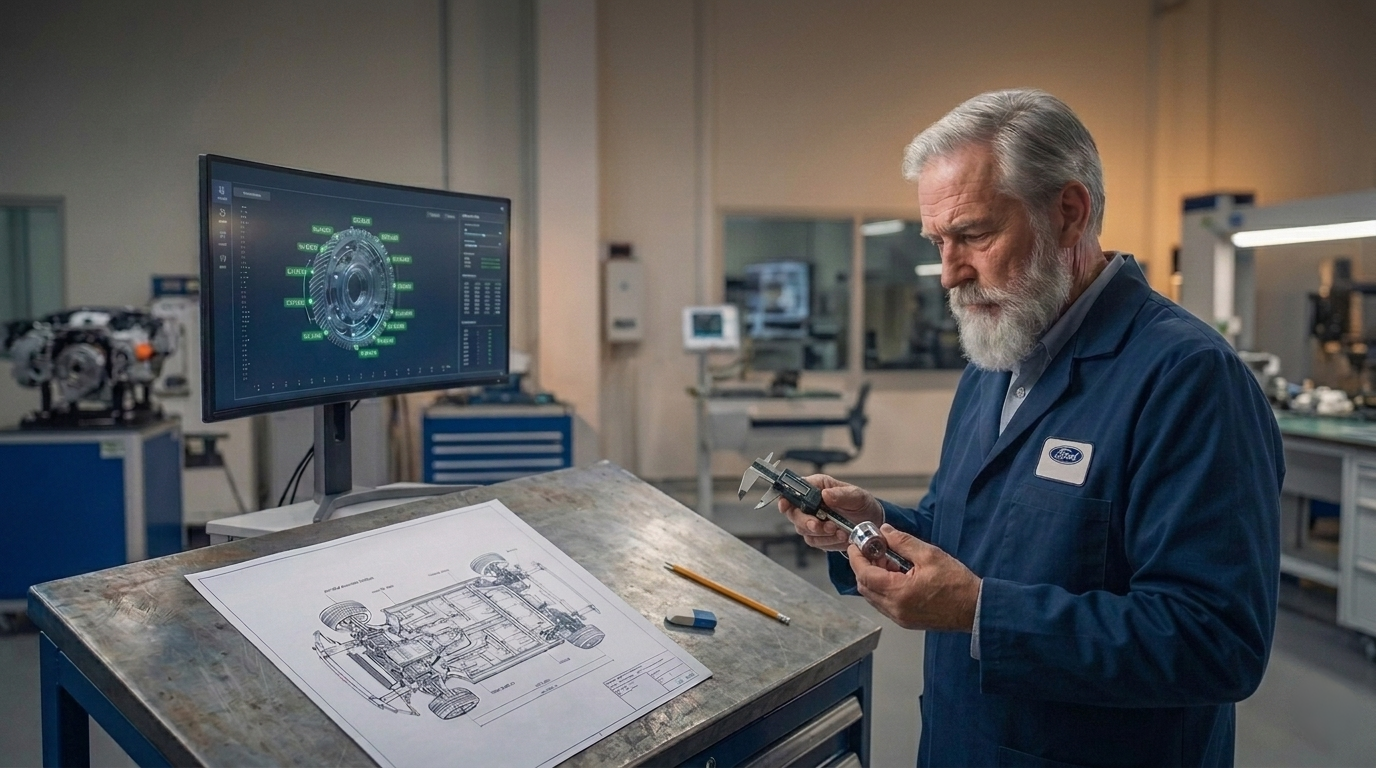
In 1918 Henry Ford purchased the Dearborn Independent because he felt "misrepresented" by the press, and wanted a platform he could control. The paper was almost as large as the New York Times.
He didn't buy the paper to serve readers, or the truth. He bought it to serve Ford.
Andrew Carnegie was a masterclass in manipulation of public opinion. After the Homestead Strike of 1892 destroyed his reputation as a progressive industrialist, he built a philanthropic empire so large that it became impossible to discuss his legacy without discussing his giving. He gave away over $350 million, roughly $6.9 billion in today's dollars. By the time he died in 1919, he was synonymous with generosity. The Homestead Strike was a footnote.
Jeff Bezos purchased The Washington Post for $250 million in 2013 and told employees: "The paper's duty will remain to its readers and not to the private interests of its owners."
That stuck until it didn't.
In 2024, Bezos blocked the paper's endorsement of a presidential candidate.
In February 2025, he restructured the opinion pages to publish only content aligned with "personal liberties and free markets." The opinion editor resigned.
In September 2025, Karen Attiah, the paper's last full-time Black opinion columnist and an 11-year veteran, was fired.
In February of this year, the Post laid off over 300 staff members including Caroline O'Donovan, the reporter assigned to cover Amazon.
He owns the paper, he can publish the national tic tac toe championship if he wants, just don't claim to be covering world class competitions.
The theme for each of these is the same: promises made, community service, good of all, then the good of one.
Follow the money. Always.
Some Things to Think About
First: When someone buys the microphone, what does that tell you about who is winning the argument?
Companies that are doing work that matters don't need to buy the mic.
Are you doing work that matters?
OpenAI is valued at $852 billion (maybe, we will see). It has the most widely used AI product in the world (for now). Leadership concluded that they needed to own the platform to shape that conversation.
What does that reveal about their belief in their plan?
Second: What is the quality of the information that you and your leadership team make decisions on? What happens when the sources your leadership team trusts become polluted? How do you know when this happens?
TBPN built its reputation as a place where the industry power players could speak candidly and be questioned by insiders. I'm guessing that just changed.
OpenAI promised editorial independence. So did Bezos in 2013.
Third: How many of the sources you consume are now owned or otherwise controlled by the companies they cover?
Being a great leader means owning your information environment.
What is your process to audit the quality of your inputs? Unlike your schedule or your email, most leaders have never audited it.
Try This
This week, list every source of information you consume.
Newsletters, podcasts, YouTube, news channels, and social feeds, all of them.
For each one, ask: Who owns it? What is their financial stake in your industry? Did you choose it, or is it a habit?
This is information hygiene. It's the same discipline you apply to vendor selection and financial reporting. Apply it to the material shaping your frame of reference every day.
Ask your leadership team to do the same thing and bring it to your next staff meeting. Compare notes.
I'll bet you learn something about the information environment your strategy is built on.
There will be information gaps and imbalance.
You can close your gaps for free. Be clear about what you know, what you don't, and what you are doing about it.
Watch CNN and FOX
If you only watch CNN, or don't follow people you disagree with on social media, or only read the Wall Street Journal then you are creating your own disinformation environment and creating an information asymmetry that will hurt you and your business.
The leaders getting left behind right now are not the ones without access to information. They are the ones who don't take ownership of their information environment, and let their minds be shaped by whoever had the budget to buy the microphone.
That is a leadership problem that shows up in the quality of the questions you ask, the assumptions you carry into the room, and your ability to separate signal from noise.
Whose microphone are you connected to and what are you doing about it?
Be well,
Ron
(c) 2026, Ron Boire and The Upland Group LLC. Lead with Purpose and The 51% Rule are trademarks of Ron Boire.
Related Blogs

Take the first step toward Leading with Purpose™
Whether you need a keynote speaker, executive coach, or strategic advisor, it starts with a conversation about what you're facing and where you want to go.
Most keynotes are booked 3-6 months in advance.
Coaching and advisory engagements typically run 6-12 months and are customized to your needs.