Evil, stupid, or just confused? When Market Pressure Meets Mission [021]

Evil, stupid, or just confused? When Market Pressure Meets Mission [21]
What Sam Altman's Erotica Reversal Teaches Leaders About Purpose
[note to the reader: check out the bottom of this newsletter for this week’s recommended podcast and holiday reading suggestions.]
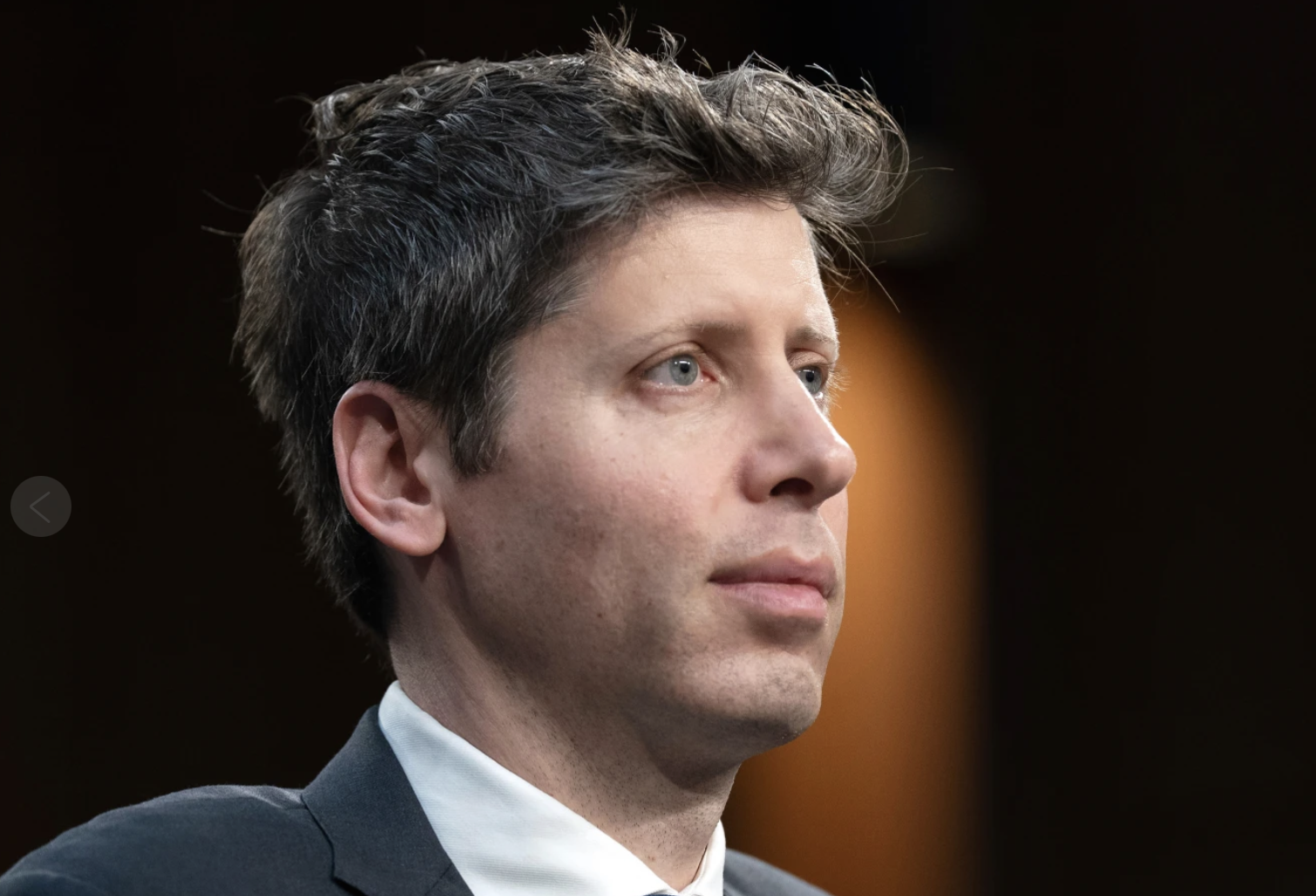
Sam Altman made a decision, then called it a mistake. In between, he revealed something every CEO faces but few talk about openly: the moment when market pressure collides with your stated mission, and you have to choose.
In October, Altman announced that ChatGPT would begin allowing erotica for verified adult users by December. The move was framed as “treating adults as adults” and as a response to competitive pressure from AI companion products already in the space. But just a few weeks later, he called the announcement “poorly thought through,” saying the hype around it was a mistake in hindsight. That comment should also alarm you; the guy controlling one of the most powerful tools on the planet, and trying to develop AGI (artificial general intelligence), didn’t think through the issue!
This isn't a story about content policy. It's a story about leadership under pressure and what happens when you let the market write your strategy rather than your purpose. The tell here is pretty straightforward: I’ve always said that if you want to see a leader’s core, put them under pressure.
The Setup: Mission vs. Money
Back in August, Altman had been clear on Cleo Abram’s podcast: OpenAI had been tempted to add sexual content earlier but resisted because it felt like a “growth-juice” move rather than mission-aligned. At that point, he seemed to understand the tension: adding erotica could drive user engagement and revenue, but it risked diluting the broader mission of building safe, beneficial AI.
That's the setup every leader knows. There's always a market opportunity that doesn't quite fit your purpose; in fact, most opportunities won’t be a fit by definition! There's always a competitor willing to go there first. And there's always pressure from investors, boards, or customers to chase the opportunity.
It took less than 60 days for him to fold to market pressure and abandon his stated purpose. In October, Altman announced the policy change, citing “better safety tools” and framing it as a “user choice”. There was blowback from advocacy groups, and competitors like Microsoft publicly ran away from the idea (Microsoft is a major investor in OpenAI). And within weeks, Altman walked back his own messaging, admitting the announcement was “poorly conceived.” No kidding!
What This Reveals About Leadership Under Pressure
The episode tells you everything. Altman didn't lack information in August when he resisted the move. He had clarity about the tension between growth tactics and mission integrity. What changed wasn't the data or the technology. What changed was the pressure. What it revealed was his inability to Lead with Purpose!
This is where leaders get into trouble. Not because they lack principles, although some do lack principles, but because they stop checking their decisions against those principles when the stakes get high; what they lack is courage. The market moves fast. Competitors make bold moves. Investors want growth. And in that moment, it becomes easier to rationalize a decision as pragmatic rather than ask whether it's aligned.
Those of you who work with me know that we go through a very deliberate process of defining your Purpose, Vision, and Principles: we Lead with Purpose™ (you can find an outline of our process here). The process of working through this solidifies the framework and results in personal commitment that steels leaders against this very pressure. I’m betting Sam has never gone through a similar process.
The Real Cost: Loss of your Soul
Here's what leaders miss when they make decisions this way. The cost isn't just reputational or strategic. The real cost is internal. Every time you choose market pressure over your stated mission, you train your organization to do the same. Your team learns that principles are flexible, that purpose is aspirational but not binding, and that the real decision-making framework is whatever feels urgent in the moment.
This is the worst kind of organizational cancer; it slowly eats away at the organization’s soul. One decision becomes precedent. One exception becomes a pattern. And over time, the gap between what you say and what you do becomes the culture. Your stated mission becomes marketing copy while your actual operating principles get written by competitive pressure and quarterly growth targets.
What You Can Learn from Sam
First, pressure reveals misalignment faster than anything else. When the market moves or competitors act, your response shows whether your stated principles are actually guiding decisions or just decorating your website. If you find yourself making choices you wouldn't have made six months ago, ask what changed. If the answer is external pressure rather than new information or evolved thinking, you're probably off track.
Second, the speed of correction matters. Altman moved from announcement to public acknowledgment of mistake in weeks, not years. When you realize you've made a decision out of alignment, the longer you wait to address it, the more permanent the damage becomes.
Third, transparency about tension is strength, not weakness. Leaders who name the tension out loud create space for real strategic thinking rather than reactive decision-making.
Purpose-Driven Leadership and the Culture it builds
Purpose-driven leadership isn't about avoiding market pressures or pretending competitive dynamics don't matter. It's about making conscious choices when those pressures collide with your stated mission. It's about building decision-making frameworks that start with purpose rather than end with it as an afterthought.
That requires clarity about what you actually believe and discipline to check every major decision against those beliefs before you announce it. It means slowing down when pressure says speed up. It means asking not just "can we do this?" but "does this move us toward or away from who we said we stand for?"
Most leaders lose their way not through dramatic failures but through accumulated misalignments. Small choices that prioritize short-term pressure over long-term purpose. Decisions that make sense in isolation but erode identity over time. That's the real leadership challenge. Not avoiding tough calls, but making sure tough calls are still your calls, driven by your principles.
How Your Team Watches and Learns
Your organization doesn't just hear what you say about values and mission. They “listen to what you do” when those values get tested. Every decision you make under pressure becomes a teaching moment, whether you intend it or not.
When leaders make choices driven by market pressure rather than stated principles, they learn that when things get hard, the real rules are different from the stated rules. They start making their decisions the same way, checking first for what's expedient rather than what's aligned.
This is how culture gets built, not through mission statements or town halls, but through the accumulated weight of decisions that reveal what actually matters when the stakes are high. If your team sees you bend principles when competitors move or investors push, they'll do the same when they face their own pressures. If they see you slow down, ask hard questions, and sometimes say no to opportunities that don't fit, they learn to lead that way too.
The cultural impact compounds over time. Organizations led by purpose-driven leaders develop muscle memory for alignment. When faced with tough calls, teams instinctively ask whether a choice moves them toward or away from who they are. Organizations led by market-driven leaders develop different reflexes. They optimize for speed and competitive response, often at the expense of coherence and identity.
Altman's public acknowledgment that his announcement was a mistake matters precisely because his team was watching. It signals that even at the CEO level, alignment still matters more than defending a position. That permission to recalibrate when you're off course is itself a cultural asset.
The question isn't whether you'll feel pressured. The question is whether you'll let it write your strategy or use your purpose to guide you.
That's the difference between leaders adrift and leaders who lead.
This week’s reading recommendation is The Tiger, by John Vailllant. Man vs. one of nature’s most fearsome predators. The story of a place, a time, and life. Book of the year in 2010 and a must-read.
Podcast of the week: How to Speak Clearly & With Confidence – Matt Abrams on Huberman Labs. Abrams is a lecturer at Stanford Graduate School of Business and a world expert in communication and public speaking. I have been doing public speaking and keynote talks for decades, and I picked up a lot for this pod. I think you will, too! Andrew Huberman is a neuroscientist and tenured professor in the Departments of Neurobiology and Ophthalmology at Stanford University School of Medicine. His podcast is a must-follow for people interested in health, wellness, and the latest scientific advancements in wellness.
Be well,
Ron
(c) 2025, Ron Boire and The Upland Group LLC. Lead with Purpose™ and The 51% Rule™ are trademarks of Ron Boire.
Related Blogs



Take the first step toward Leading with Purpose™
Whether you need a keynote speaker, executive coach, or strategic advisor, it starts with a conversation about what you're facing and where you want to go.
Most keynotes are booked 3-6 months in advance.
Coaching and advisory engagements typically run 6-12 months and are customized to your needs.