The Gray Beards Were the Point [041]

Ron Boire
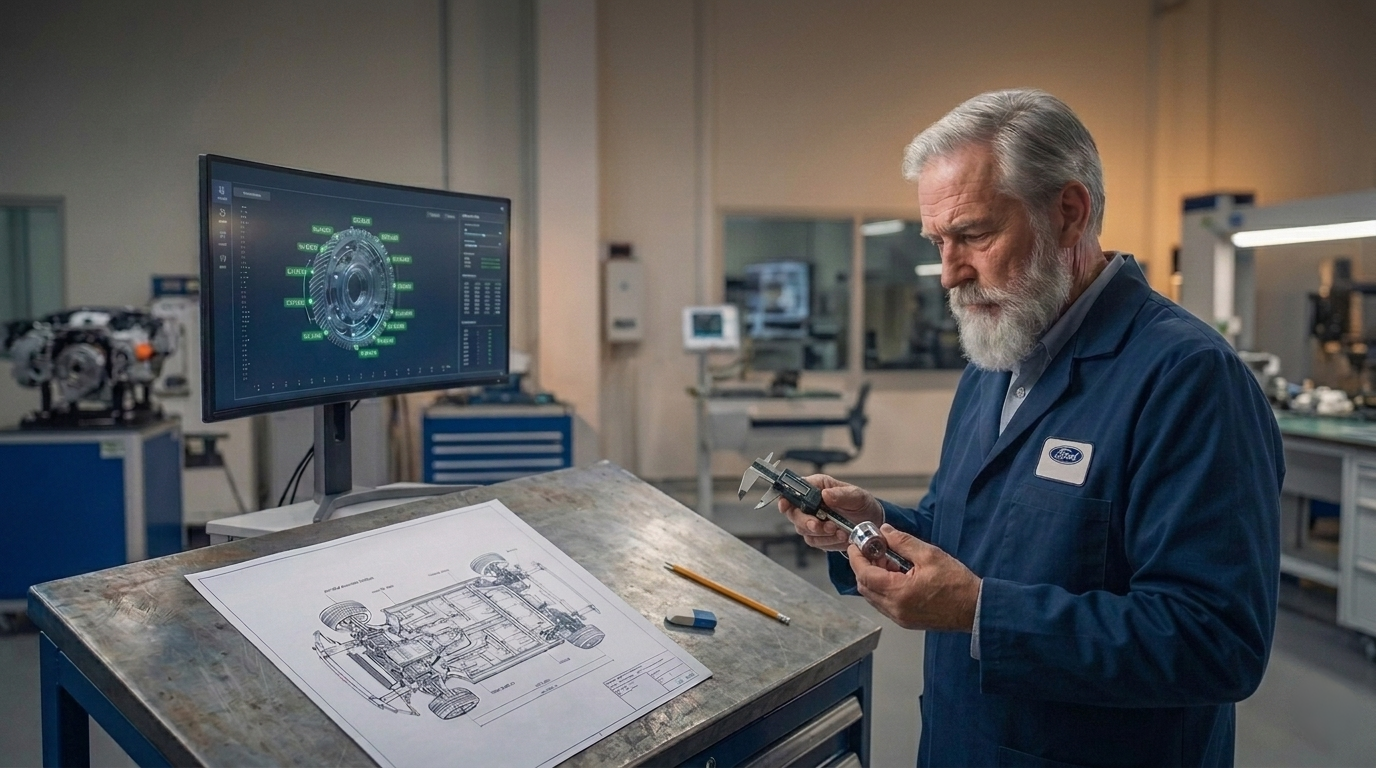
Ford tried to replace judgment with a tool.
It’s been in the news a few times lately that Ford spent the last few years learning something expensive: humans really do add value.
Somewhere in their push to automate, Ford decided its quality process could run on artificial intelligence. They would use AI to look for design flaws and points of failure. The engineers who had spent decades learning where cars break were no longer necessary; the people at the edge of their product development were not going to be needed.
Guess what happened next?
Then the recalls started, over 90 in 2025! A record for them. So they went back and rehired the people they had let go. Business reports say between 300 and 350 veteran engineers, the ones the company calls “gray beards,” were brought back to hunt for failure points during the design and pre-production phases of new car and truck builds.
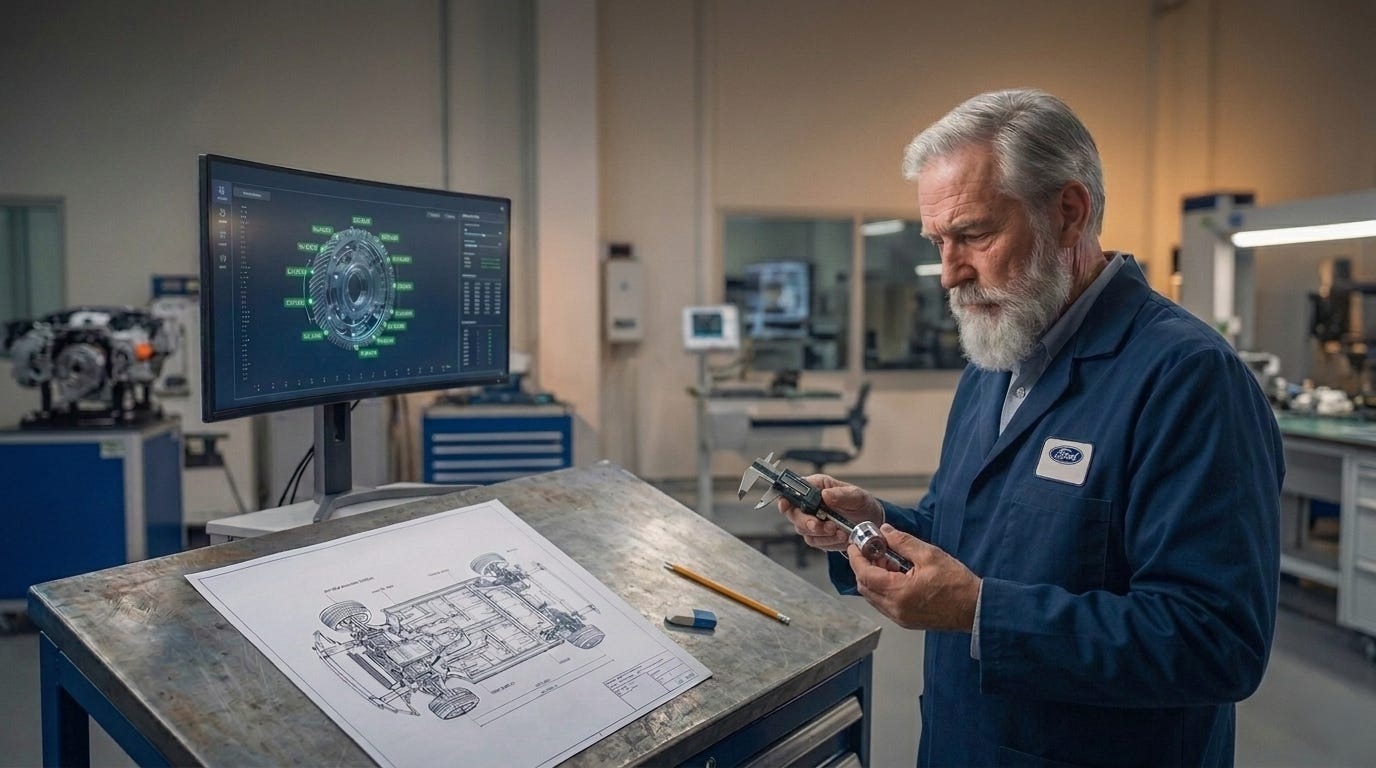
The head of vehicle hardware engineering at Ford described the problem: “Mistakenly, we thought that by just introducing artificial intelligence and adjusting the design requirements that we had, that that would produce a high-quality product.” He then added: “Artificial intelligence is a fantastic tool, but it’s only as good as the information you use to train it.”
The AI wasn’t the problem. The problem was who Ford had stopped listening to: the experts, the folks they affectionately called the “graybeards.”
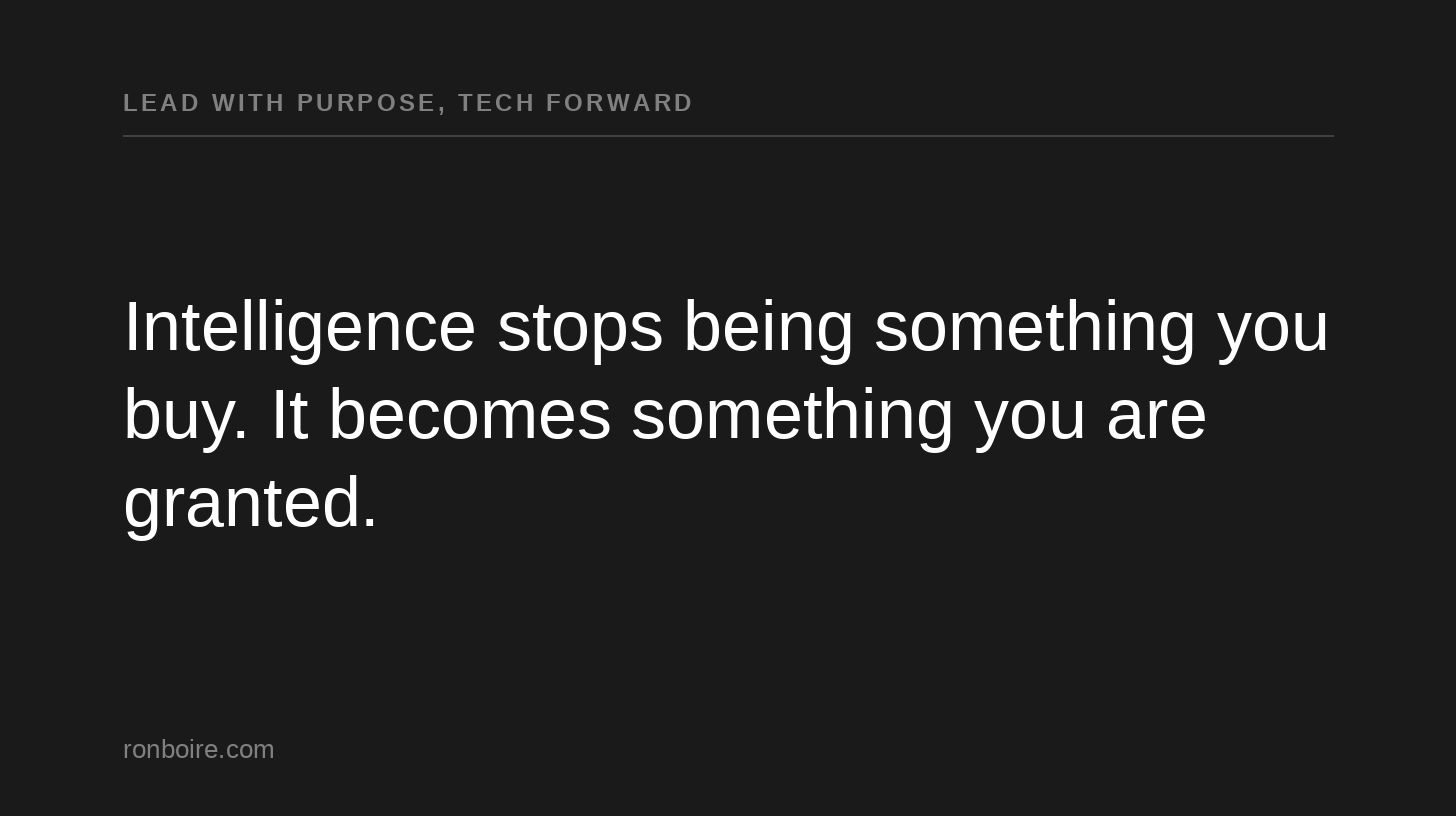
I think Ford found out what a lot of companies will find out soon. The AI didn’t fail because the technology was bad. It failed because the company took out the human and asked the technology to supply judgment it never had and likely never will. The gray beards were gone and with them the training data. When they left, the knowledge left with them, and no model can generate what was never there.
We are entering the age of the maker. The cost of building something, a product, a piece of software and much more is collapsing. AI puts capability (intelligence?) in reach that used to take a team of experts and a budget. But what it can’t do is intuit or use judgment based on contact with the real world.
The value doesn’t move to the tool; it didn’t with the steam engine or the PC, and it hasn’t with AI. It lives in the person that knows the thing. When anyone can generate thousands of options, the scarce thing is judgment to know which one is right. When everyone can produce, the differentiator is taste, standards, and the experience that tells you a part is going to fail.
That judgment is not free, as Ford found out, and it is not easy to build. Ford’s graybeards earned it over decades of watching things break. You can’t download it or prompt your way to it. And the moment you treat it as disposable, you find out what it was worth.
Over my career, I have watched leaders make this same trade in slower motion. First, they cut the experienced people because they cost more, then they focus on process, believing the process was where the value is. Then the thing falls apart, because the process was never the point. The judgment behind the process was the point.
AI raises the stakes on this. A leader with deep judgment and a good AI tool is now extraordinarily powerful; that is true. A leader who has hollowed out the judgment and is leaning on the tool to replace it is gambling with the future of their organization, just as Ford did.
So the question is not how to replace people with AI. It is how to make people so good that the AI in their hands becomes the advantage. The maker who wins is not the one with the best tool. Everyone will have the tool. It is the one who brings the best judgment to it.
Ford is paying real money to relearn this, and Jim Farley credits the turnaround with hundreds of millions of dollars in avoided warranty and recall costs. He is taking credit for the savings, not the years of recalls that made them necessary.
On their way back, the gray beards paid for themselves many times over.
Be well,
Ron
Related Blogs


Take the first step toward Leading with Purpose™
Whether you need a keynote speaker, executive coach, or strategic advisor, it starts with a conversation about what you're facing and where you want to go.
Most keynotes are booked 3-6 months in advance.
Coaching and advisory engagements typically run 6-12 months and are customized to your needs.